
Ant Identification & Information
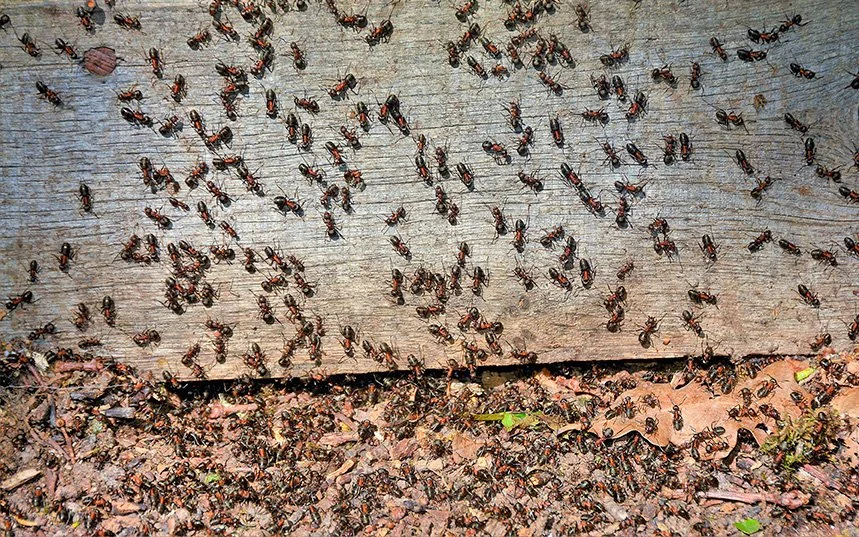
Ants are among the most common pests found in and around homes and commercial buildings. While many ant species may look similar at first glance, their behavior, nesting habits, and control methods can vary significantly.
This ant identification guide is designed to help you recognize different types of ants, understand why they invade structures, and learn how proper identification plays a critical role in effective control.
For information on other pest categories, visit our pest library
Common Ant Species Found in Homes
Below are ant species commonly encountered in residential and commercial environments. Each species page provides detailed information on identification, biology, habitat, and prevention.
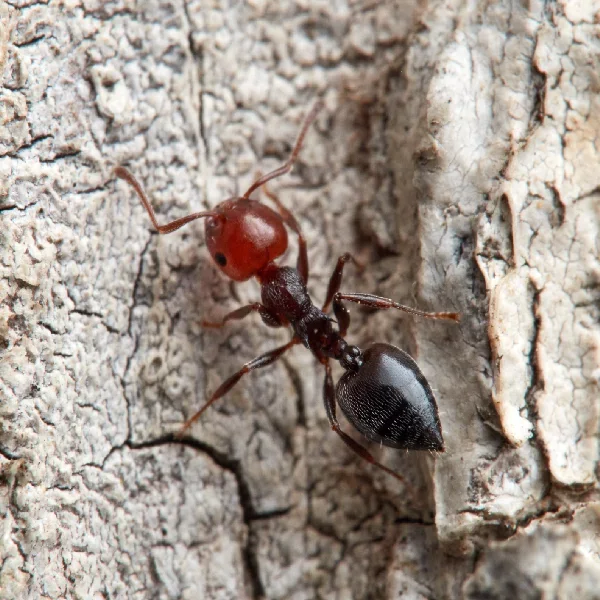
Acrobat ants are named for their defensive posture, raising their heart-shaped abdomen when disturbed. They are often associated with moisture-damaged wood and structural voids.
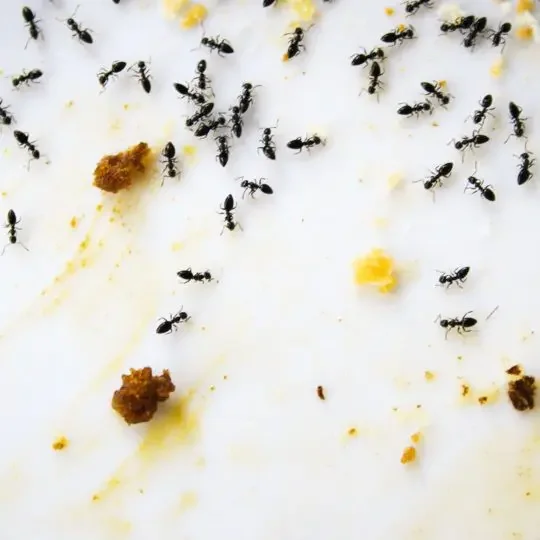
Odorous house ants are small ants commonly found indoors, especially in kitchens and pantries. When crushed, they emit a strong odor often described as similar to rotten coconut.
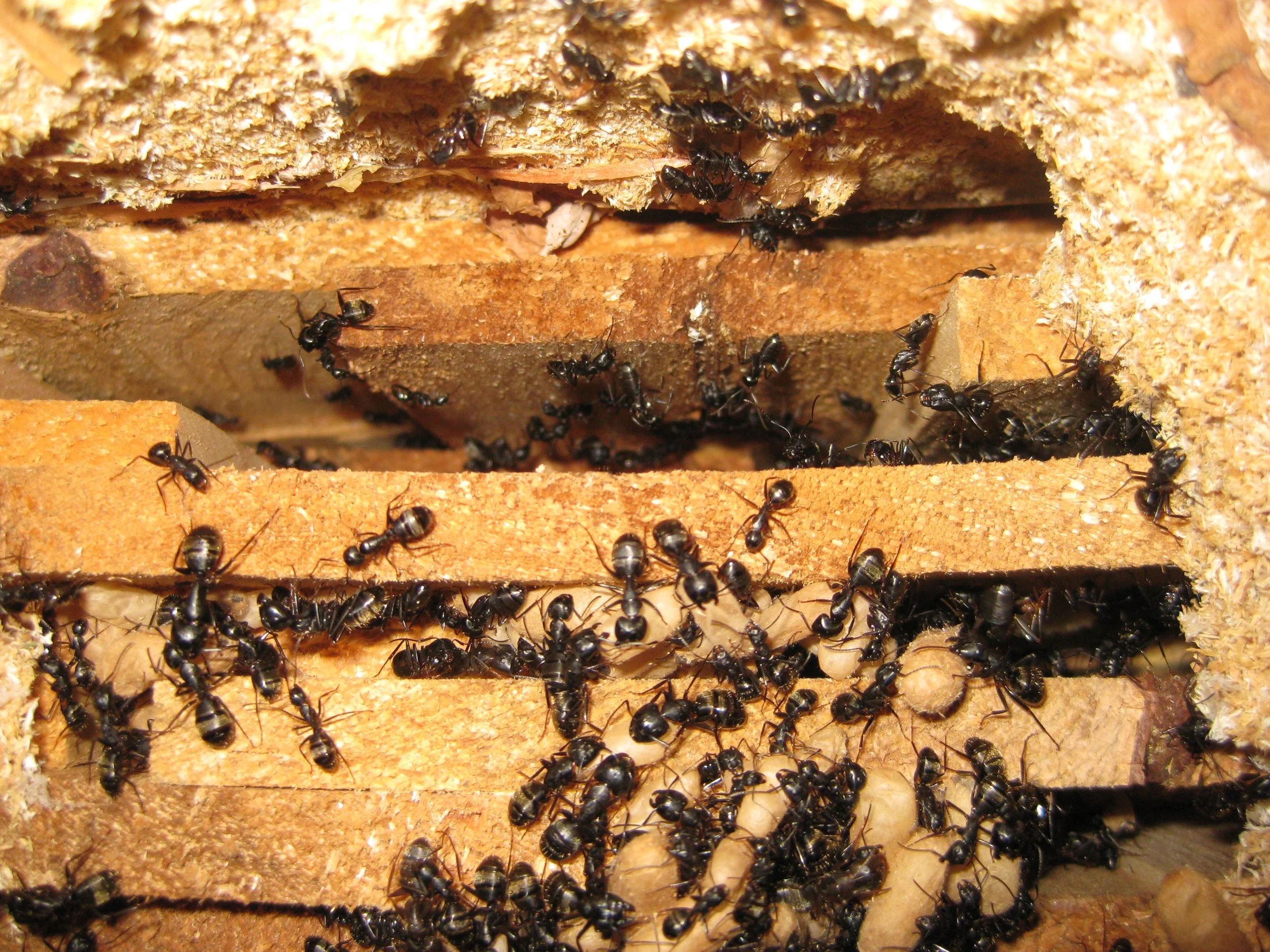
Carpenter ants are large ants that nest in wood. While they do not eat wood like termites, their nesting activity can cause structural damage over time.
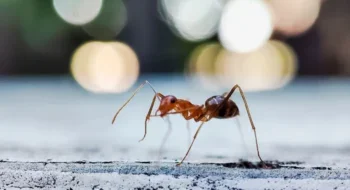
Crazy ants are known for their erratic movement patterns and rapid population growth. They often form large infestations and may invade homes, structures, and even electrical equipment.
Why Ant Identification Matters
Different ant species respond to different control strategies. Treating ants without knowing the species involved can lead to ineffective results and recurring infestations.
Proper identification helps:
Target nesting locations accurately
Choose appropriate treatment methods
Prevent colony expansion
Reduce the likelihood of reinfestation
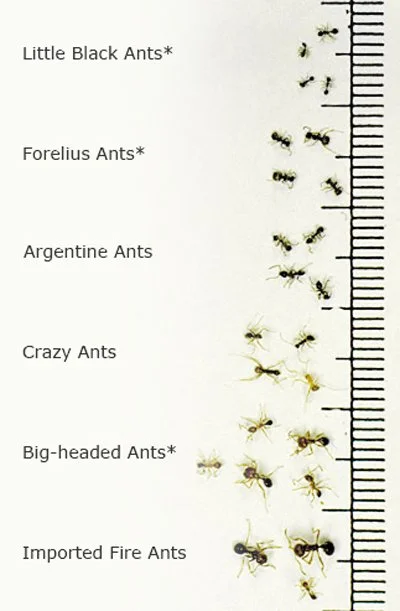
Using this ant identification guide allows you to compare species and recognize key differences before taking action.
When Ants Become a Problem
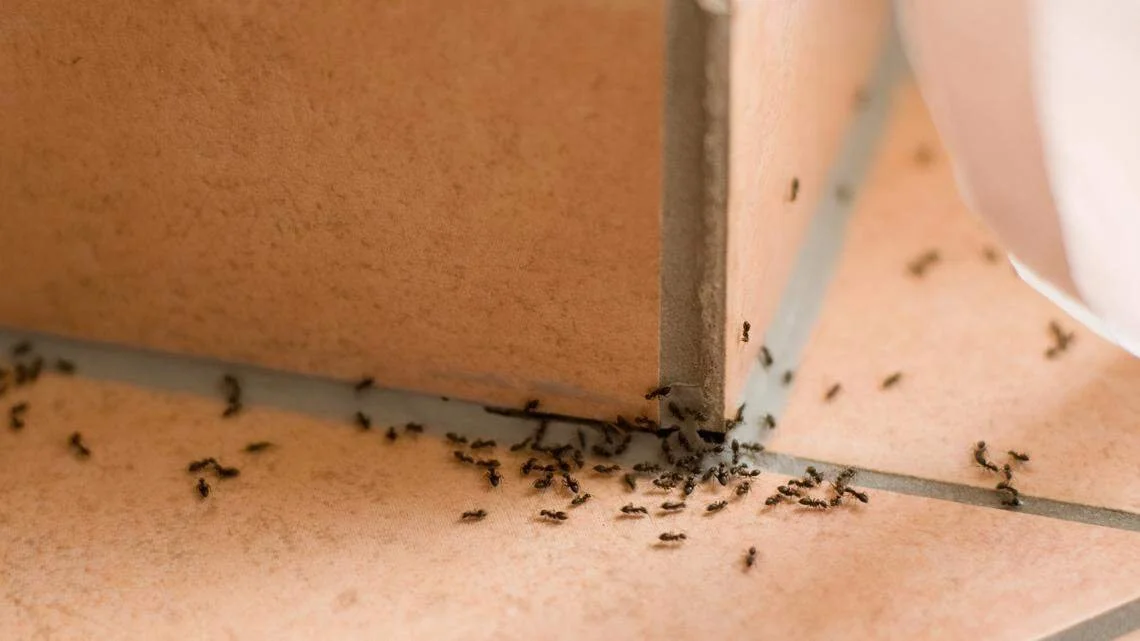
Ant infestations can contaminate food, invade living spaces, and create ongoing nuisance issues. Some species may also cause structural concerns or indicate underlying moisture problems.
If ant activity is persistent, widespread, or difficult to control, professional treatment may be necessary.
To learn more about treatment options, visit our professional ant control page.
Helpful Resources
Return to the full pest library
Explore individual ant species pages above
Learn about ant control services