
Pest Identification & Information Library
Our pest library is designed to help homeowners and businesses better understand the pests commonly found in and around structures. Accurate identification is the first step toward effective prevention and control.
Each section of the pest library provides detailed information on pest behavior, habitat, biology, and potential risks. This resource is intended for educational purposes and to help guide informed decisions when pest activity is discovered.
How to Use This Pest Library
If you are unsure what type of pest you are dealing with, start by browsing the categories below. Each category contains individual pages dedicated to specific pests, allowing you to compare characteristics and identify key differences.
Once a pest has been identified, you can review prevention strategies and learn when professional assistance may be necessary.
Pest Categories
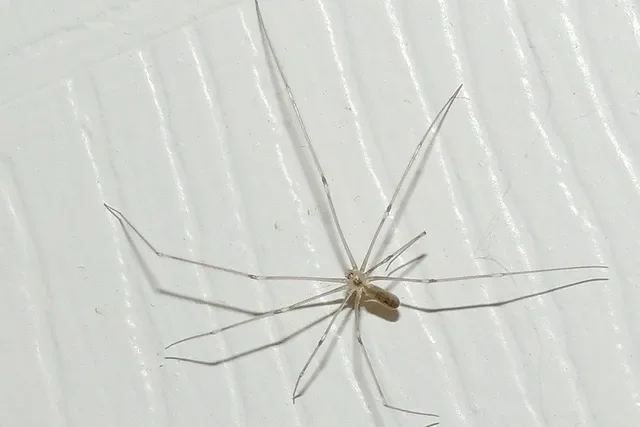
Spiders
Spiders are often found indoors while searching for prey or shelter. Learn how to identify common spider species, understand which are harmless, and recognize when spider activity may indicate other pest issues.
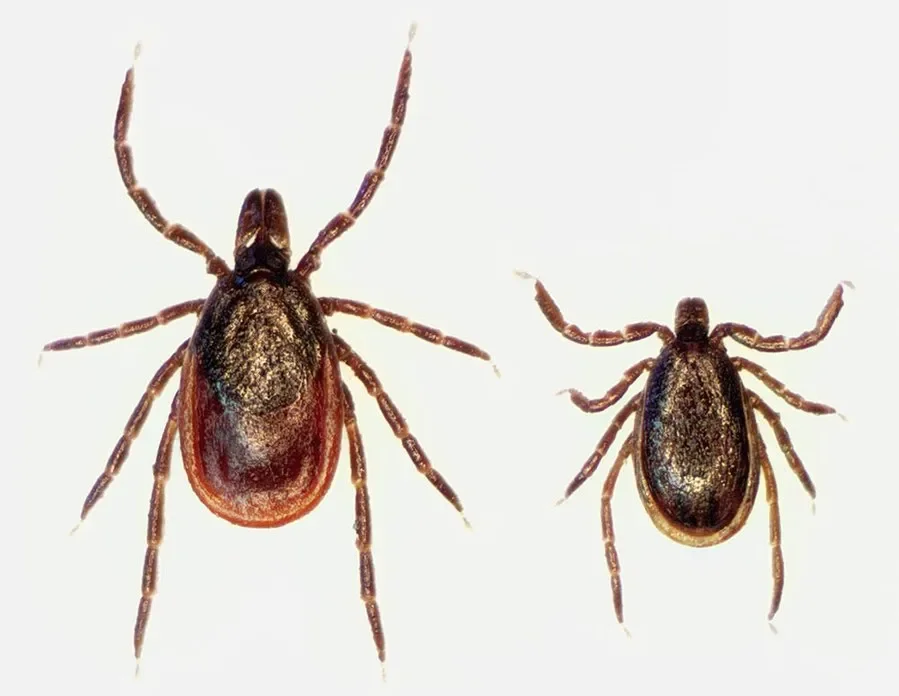
Ticks
Ticks are blood-feeding pests commonly found in grassy and wooded areas. This category covers how to identify different tick species, understand their habitats, and recognize the health risks associated with tick activity.
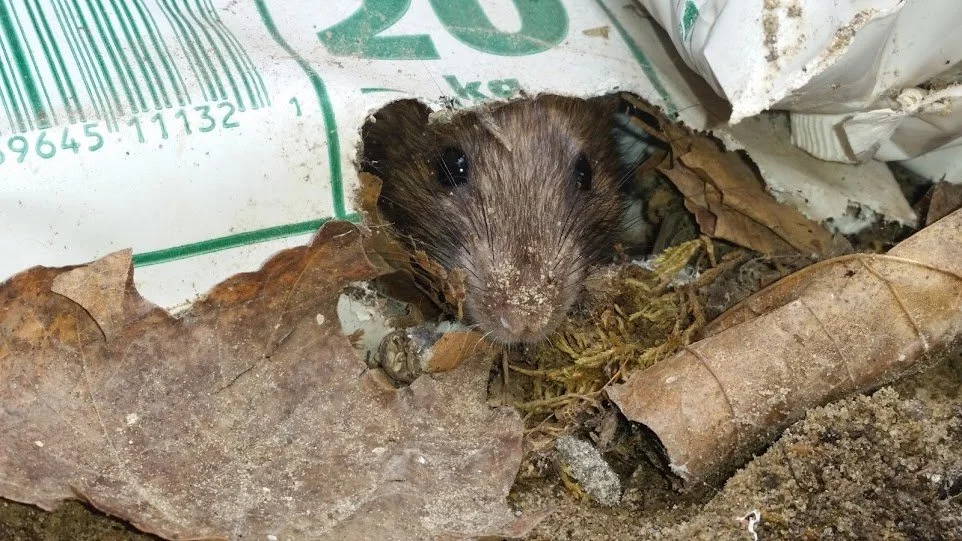
Rodents
Rodents can cause property damage and contaminate food and living spaces. This section provides information on identifying rodent activity, nesting habits, and prevention strategies.
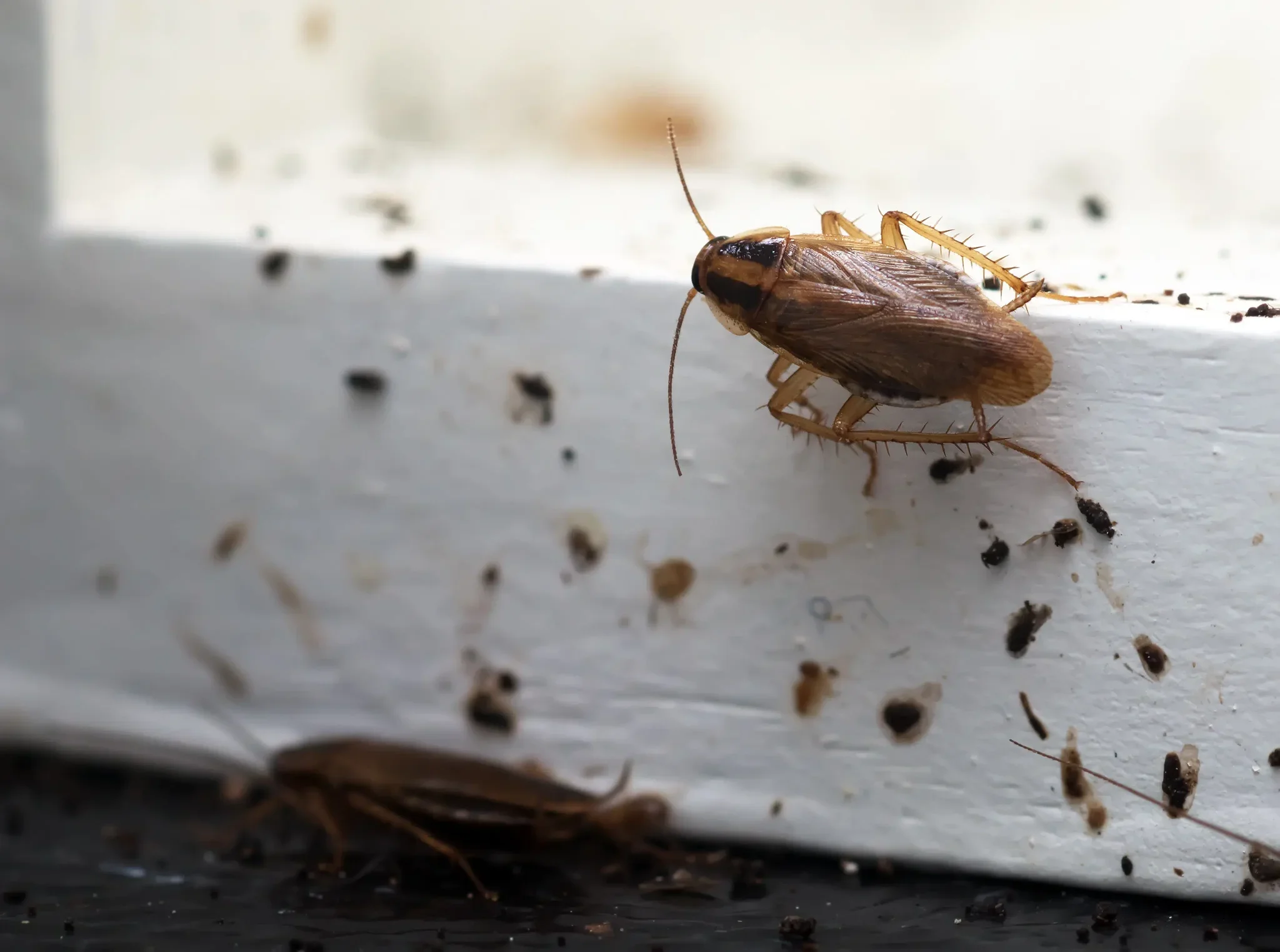
Cockroaches
Cockroaches are resilient pests that thrive in warm, moist environments. This category explains how to identify common cockroach species, understand where they hide, and recognize signs of an active infestation.
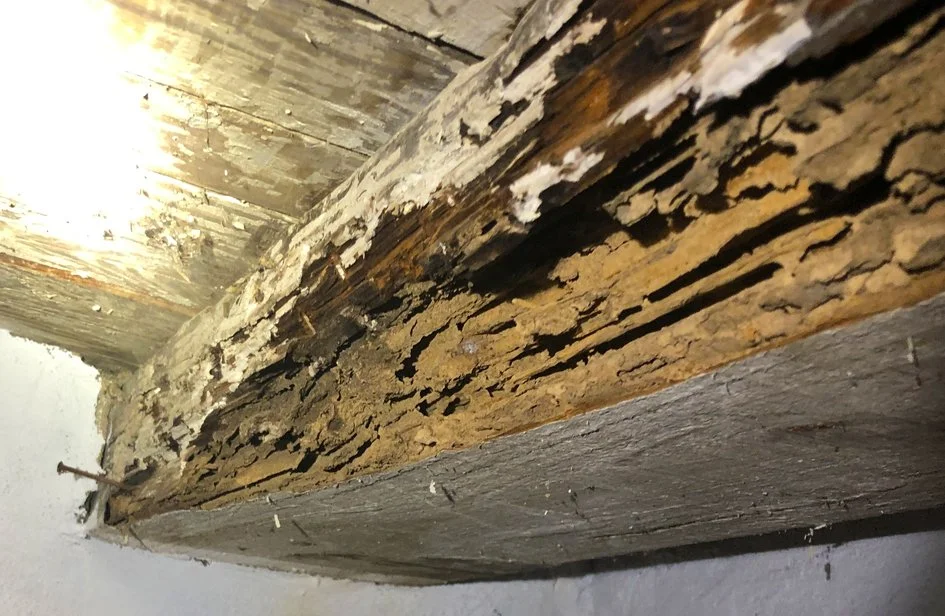
Termites
Termites are destructive pests that feed on wood and structural materials. Understanding termite behavior and early warning signs is essential for protecting buildings from long-term damage.
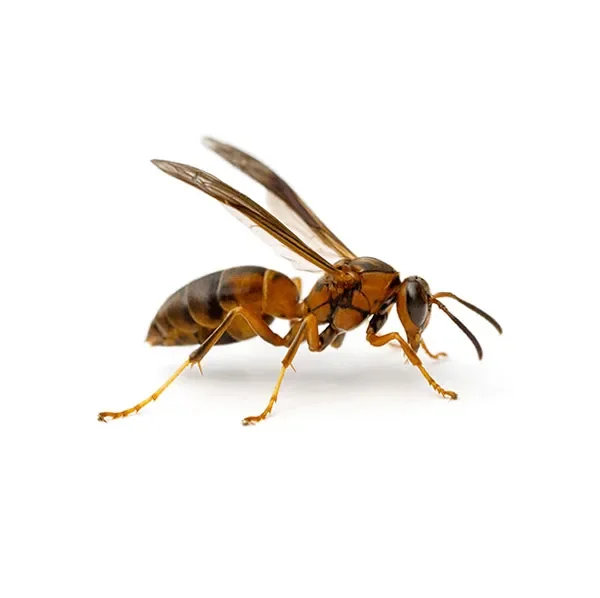
Stinging Insects
Wasps, hornets, and other stinging insects can pose safety risks around homes and businesses. This category explains how to identify different species and recognize nesting activity.
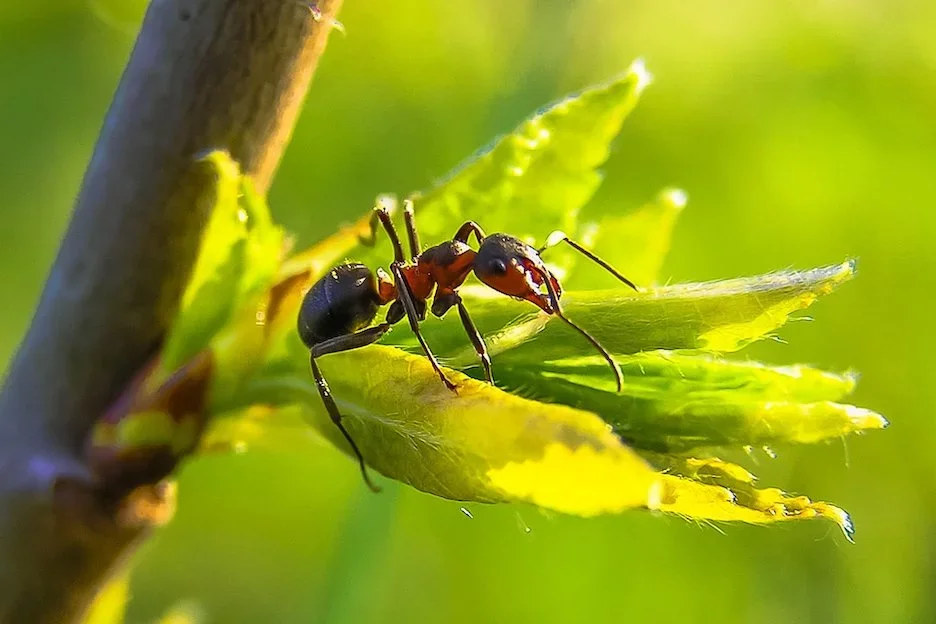
Ants are among the most common household pests. Different species behave very differently, and proper identification is critical for effective control. This section covers ants commonly found in homes, structures, and surrounding landscapes.
Beetles
Beetles are a diverse group of pests that can invade homes, damage stored products, and affect structural materials. This category explains how to identify common beetle species, understand their behavior, and recognize signs of infestation.
Why Pest Identification Matters
Many pests share similar appearances but require very different control methods. Misidentification can lead to ineffective treatments and recurring infestations.
Using a pest library allows you to:
Identify pests more accurately
Understand pest behavior and nesting habits
Recognize warning signs early
Learn prevention strategies
Determine when professional pest control may be needed
When to Seek Professional Help
While some minor pest activity can be managed through prevention and exclusion, larger infestations often require specialized treatment methods. If pests persist, spread quickly, or cause damage, professional pest control may be necessary to fully resolve the issue.
To learn more about available treatment options, visit our pest control services or explore specific service pages related to the pest you are experiencing.
Helpful Resources
Explore pests by category in our pest library
Learn about common household pests and prevention methods
Identify pests before infestations worsen