

Asian lady beetles are invading homes as temperatures drop this winter
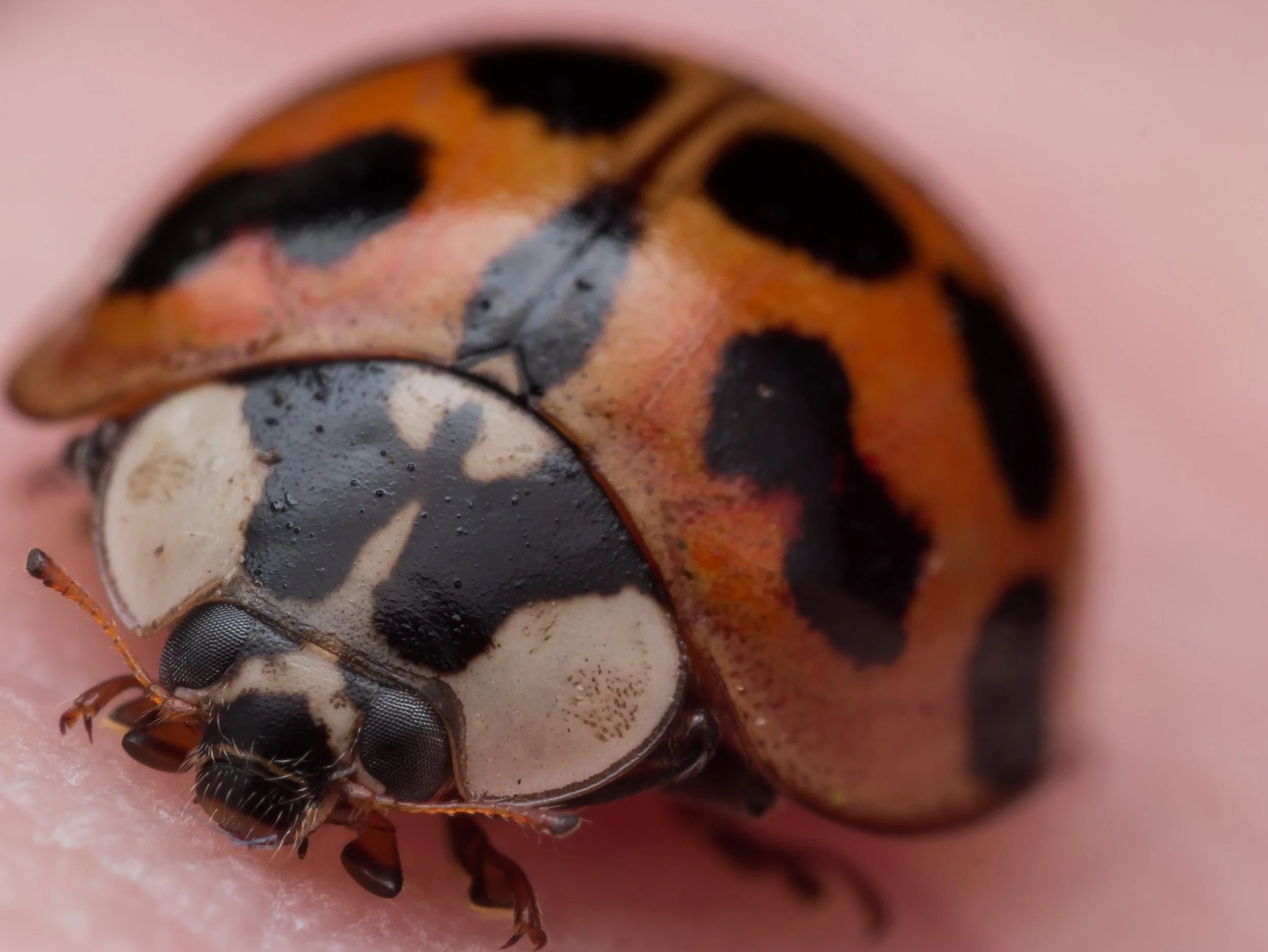
Asian lady beetles seek warmth to overwinter, leading to home invasions as temperatures fall, a behavior driven by their need for a sheltered place to hibernate. These beetles are attracted to light-colored buildings with sunny, south or southwest-facing walls and use tiny exterior cracks to gain access to wall voids and attics.
Identification and Risks:
Asian lady beetles are often mistaken for native ladybugs but can be identified by:
• A distinctive small, black "M" or "W"-shaped marking on the whitish area behind their head.
• Color variations ranging from tan to orange to red, with varying numbers of spots (or no spots at all).
• A tendency to bite or "pinch" when in contact with skin, which feels like a pinprick but is not serious.
While they do not transmit diseases, reproduce indoors, or damage wood or food, they can be a nuisance. When disturbed or crushed, they secrete a foul-smelling, yellowish fluid that can stain walls, fabrics, and furniture. In rare cases, severe infestations can cause allergies in some individuals, and ingesting large numbers of them can cause irritation or stomach issues for pets.
Management and Prevention:
The most effective long-term solution is to prevent entry into your home.
Prevention (Best implemented in late summer/early fall):
• Seal Entry Points Inspect the exterior of your home for cracks and gaps around windows, doors, siding, utility pipes, and vents. Use a quality silicone caulk, weather stripping, or expandable foam to seal these openings.
• Repair Screens Ensure all window and door screens are in good condition and fit tightly. Install screening behind attic and soffit vents.
• Reduce Attractants Consider using yellow bug lights instead of bright white bulbs for exterior lighting, as they are less attractive to the beetles.
• Professional Barrier Treatments For persistent problems, consider hiring a pest control service to apply a residual insecticide barrier to the home's exterior, especially on the south and southwest-facing walls, before the beetles start seeking shelter.
Removal (If already indoors):
• Vacuum The easiest way to remove beetles is by using a vacuum cleaner. To avoid staining and odor, use a vacuum with a disposable bag or place a knee-high nylon stocking inside the extension hose secured with a rubber band to humanely trap and release them outdoors.
• Avoid Crushing Do not crush the beetles, as this releases a fluid that stains and smells.
• Natural Repellents Strong scents like cloves, bay leaves, or essential oils (peppermint, citronella) may temporarily deter them, but they are not a long-term solution for an existing infestation.
For severe or reoccurring infestations, consulting with a professional pest control service is recommended